
Brenda Gantt Buttermilk Biscuits
- Prep 10 min
- Cook 12 min
- Total 25 min
- Makes 8 biscuits
- Level Easy
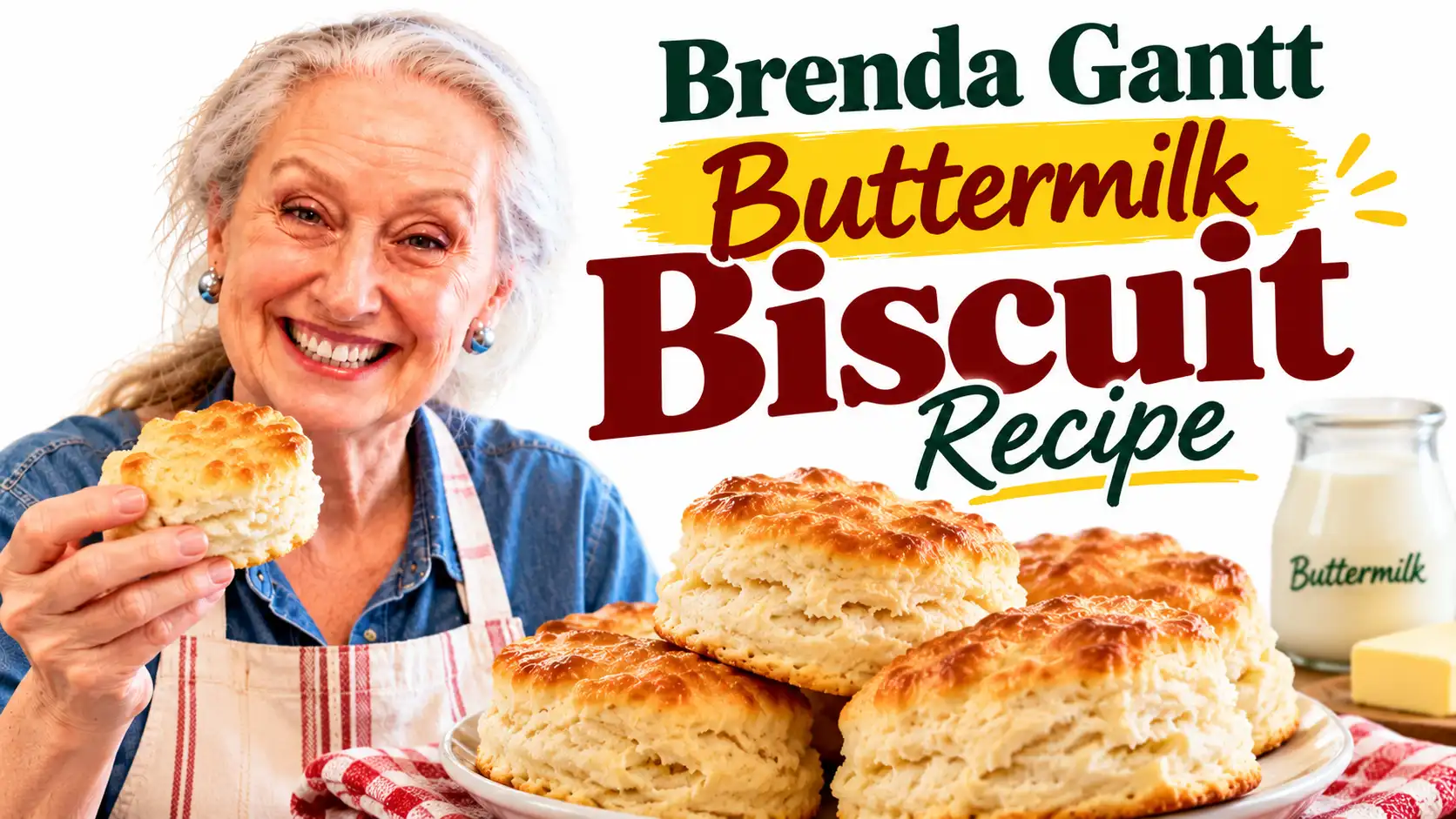
About Brenda Gantt’s Buttermilk Biscuits
This is the recipe that made Brenda Gantt famous. A home cook from Andalusia, Alabama, she posted a video of herself making biscuits the way she always had, and it went viral, eventually building an audience of millions. She doesn’t measure precisely. She works by feel, calling it cooking “with her heart,” and that hands-on style is a big part of what people love about her videos.
Her biscuits are built on a Southern baking tradition that goes back generations: soft White Lily self-rising flour, cold shortening, and buttermilk, worked together quickly by hand and baked hot in a well-seasoned cast iron skillet. There’s no rolling pin, no precise measuring, and no resting time. The dough goes from bowl to oven in minutes, which is part of why the biscuits turn out so light.
If you’ve made our cabbage casserole or other Brenda Gantt recipes, you’ll notice the same approach here: a short ingredient list, simple technique, and a result that’s far better than the effort suggests.
Watch How It’s Made
Prefer YouTube? Watch the original video.
Brenda Gantt Buttermilk Biscuit Recipe
Ingredients
Kitchen Tools Needed
- Large mixing bowl
- 10-inch cast iron skillet
- Biscuit cutter (optional)
- Pastry brush
- Measuring cups
Instructions
- Preheat and prep the skillet. Preheat the oven to 500°F (260°C). Grease a 10-inch cast iron skillet with a little melted butter or shortening.
- Make a well in the flour. Pour the self-rising flour into a large bowl and make a wide well in the center.
- Add the shortening and buttermilk. Add the Crisco and ¾ cup of the buttermilk into the well.
- Mix by hand. Using your fingertips, work the shortening and buttermilk together, then gradually pull in flour from the sides of the well until a soft, shaggy dough forms. Add a splash more buttermilk if the dough feels dry.
- Shape the dough. Turn the dough onto a well-floured surface. Pat it gently into a round about 1 inch thick. Handle it as little as possible.
- Cut the biscuits. Pinch off portions and shape them into rounds by hand, or cut with a biscuit cutter straight down without twisting. Place the biscuits close together in the hot skillet so the sides touch.
- Bake. Place the skillet in the oven and reduce the heat to 450°F (230°C). Bake for 10 to 12 minutes, until the tops are golden brown.
- Butter and serve. Brush the hot biscuits with melted butter as soon as they come out of the oven. Serve warm.
The dough should feel soft and a little sticky, not dry. Resist the urge to add too much flour while shaping; a light touch is what keeps these biscuits tender.
Nutrition Facts
| Calories | 190 |
|---|---|
| Protein | 4 g |
| Carbohydrates | 24 g |
| Fat | 8 g |
| Fiber | 1 g |
| Sodium | 430 mg |
| Sugar | 1 g |
Nutrition values are estimates and are not a substitute for professional dietary advice.
Why This Recipe Works
Simple, Short Ingredient List
With only flour, shortening, and buttermilk, there’s less to go wrong and nothing artificial added.
Buttermilk’s Tang and Lift
The acid in buttermilk reacts with the leavening in self-rising flour, helping the biscuits rise quickly and giving them a slight tang.
Quick to Make
No resting or chilling the dough is required. From bowl to table takes about 25 minutes, which makes this realistic for a weekday breakfast.
Calcium from Buttermilk
Buttermilk contributes some calcium and protein, in addition to its role in the biscuits’ texture and flavor.
What to Avoid
Preparation Mistakes
- Don’t overwork the dough. Mixing or kneading too much develops gluten and makes the biscuits tough instead of tender.
- Don’t use warm shortening or buttermilk. Keep both cold so the fat stays in small pieces until it hits the hot oven.
- Don’t twist the biscuit cutter. Press straight down and lift; twisting seals the edges and limits the rise.
- Don’t skip preheating fully. The oven needs to be fully hot before the skillet goes in, or the biscuits won’t rise as well.
Storage Mistakes
- Don’t store them while warm. Let them cool first so they don’t trap steam and turn soggy.
- Don’t reheat in the microwave if you want a crisp top. Use the oven instead to bring back the texture.
Dietary Considerations
- Contains Dairy (buttermilk, butter)
- Contains Gluten (self-rising flour)
- Moderate Sodium
Pro Tips for the Best Biscuits
- Keep the shortening and buttermilk cold. Cold fat is what creates flaky layers as it melts in the oven.
- Use a light touch. Pat the dough into shape with your hands rather than rolling it out firmly.
- Crowd the biscuits in the skillet. Letting the sides touch helps them rise up tall instead of spreading out.
- Use real self-rising flour. If it’s been sitting in the pantry a long time, its leavening power may have weakened; check the date or use a fresh bag for the best rise.
- Butter them the moment they come out of the oven. The hot surface absorbs the butter and adds extra flavor and shine.
What to Serve With Buttermilk Biscuits
Toppings
- Butter and honey
- Sausage gravy
- Fig or peach preserves
Serve Alongside
- Fried chicken
- Scrambled eggs and bacon
- A bowl of chili
When to Serve
- Sunday breakfast
- Holiday brunch
- Alongside a pot of soup or stew
For dessert, try Brenda Gantt’s apple pie or banana pudding after dinner.
Ingredient Substitutions
| Ingredient | Swap | Notes |
|---|---|---|
| Self-rising flour | All-purpose flour + baking powder + salt | Per cup of flour, add 1½ tsp baking powder and ¼ tsp salt. |
| Buttermilk | Milk + lemon juice or vinegar | 1 tbsp acid per scant cup of milk; let sit 5 minutes. |
| Crisco shortening | Cold unsalted butter or lard | Butter adds more flavor; lard is the most traditional option. |
Storage & Reheating
Room Temperature
Store in an airtight container or bag for up to 2 days.
Freezer
Freeze baked, cooled biscuits in a freezer bag for up to 2 months, or freeze unbaked cut biscuits on a tray and bag once solid.
Reheating
Oven at 350°F for 8 to 10 minutes to re-crisp the top. Frozen unbaked biscuits can go straight into a 450°F oven, adding a few extra minutes.
Frequently Asked Questions
A hot oven (500°F, then reduced to 450°F once the skillet goes in) makes the shortening melt quickly and creates steam fast, which gives the biscuits a quick rise and a golden, slightly crisp top in just 10 to 12 minutes. A cooler oven would dry the biscuits out before they finish rising.
Yes, but add leavening. For every cup of all-purpose flour, whisk in 1½ teaspoons baking powder and ¼ teaspoon salt. Brenda Gantt’s own recipe calls for self-rising flour, specifically White Lily, which is lower in protein and gives a softer biscuit.
Stir 1 tablespoon of lemon juice or white vinegar into just under 1 cup of regular milk and let it sit for 5 minutes before using. Plain kefir also works well as a substitute.
Overworking the dough is the most common cause. Mix and pat the dough only until it comes together; kneading or rolling it too much develops gluten and makes the biscuits tough. Make sure the shortening and buttermilk are cold, and check that the oven is fully preheated before baking.
No, though it’s traditional and gives a nicely browned bottom. A regular baking sheet or an 8×8 or 9×9 baking pan works too. Keep the biscuits close together, touching if possible, which helps them rise up instead of spreading out.
Biscuit dough is best shaped and baked right away, since the leavening in self-rising flour starts working as soon as it’s wet. You can cut the unbaked biscuits and freeze them on a tray, then transfer them to a bag; bake straight from frozen, adding a couple of extra minutes.
Reader Reviews
More Brenda Gantt Recipes
It’s gonna be good, y’all. Make a batch for breakfast this weekend.
Back to Recipe