
You don’t need much for good fried okra. The basics are fresh okra, a wet step like buttermilk, cornmeal, a little flour, salt and pepper, and a high-heat frying oil.
Each choice affects the crunch. This guide explains what to buy, why it matters, and what you can swap.
Basic Fried Okra Ingredients
Our Southern Fried Okra Recipe uses these ingredients for about six servings:
- 1 pound fresh okra
- 4 tablespoons buttermilk
- 1 teaspoon salt, plus more to taste
- ½ teaspoon black pepper
- 1½ cups self-rising cornmeal
- ½ cup all-purpose flour
- Vegetable oil, for frying
Other recipes use different amounts or add spices. Always use the amounts in the recipe you are following.
Okra
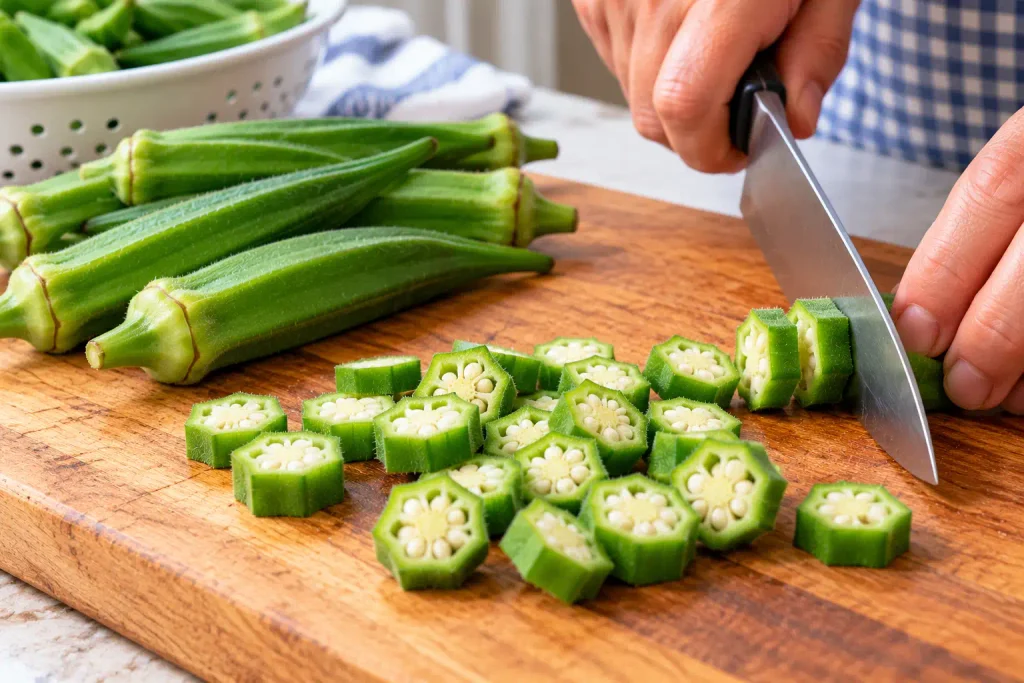
What to buy: Choose firm, bright pods without mold or soft spots. Skip any that are limp or dried out. Smaller pods are often more tender.
Why it matters: Fresh pods deliver the best texture and hold up better when you cut and fry them.
Tip: Wash and dry the pods before you slice them. Our guide on how to prepare okra for frying walks through every step.
The Wet Step: Buttermilk
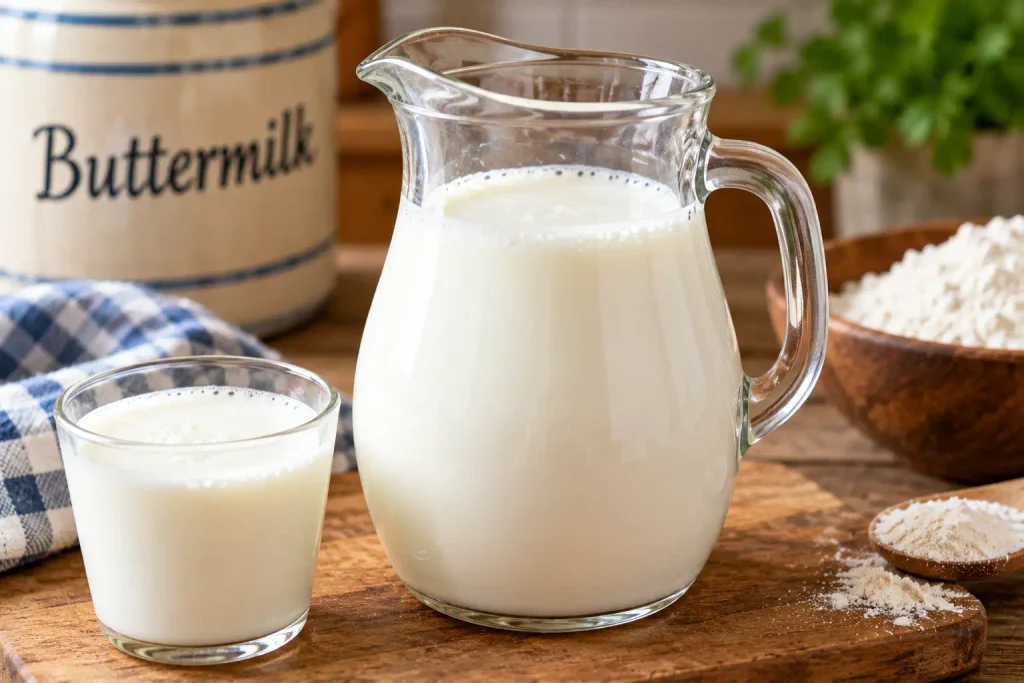
What it does: Buttermilk gives the dry coating something to cling to. A small amount is enough. The recipe uses only 4 tablespoons for a pound of okra.
Swaps:
- No buttermilk: Mix 1 cup of whole milk with 1 teaspoon of vinegar. Let it sit for 5 minutes before you use it (this is the swap listed on the recipe page).
- Other options: Some cooks use plain milk, egg, or a thin coat of yellow mustard. These work as sticky layers for the coating, but they aren’t traditional in every kitchen.
Mistake to avoid: Don’t add too much liquid. Extra liquid makes a pasty coating that falls off in the oil.
Cornmeal
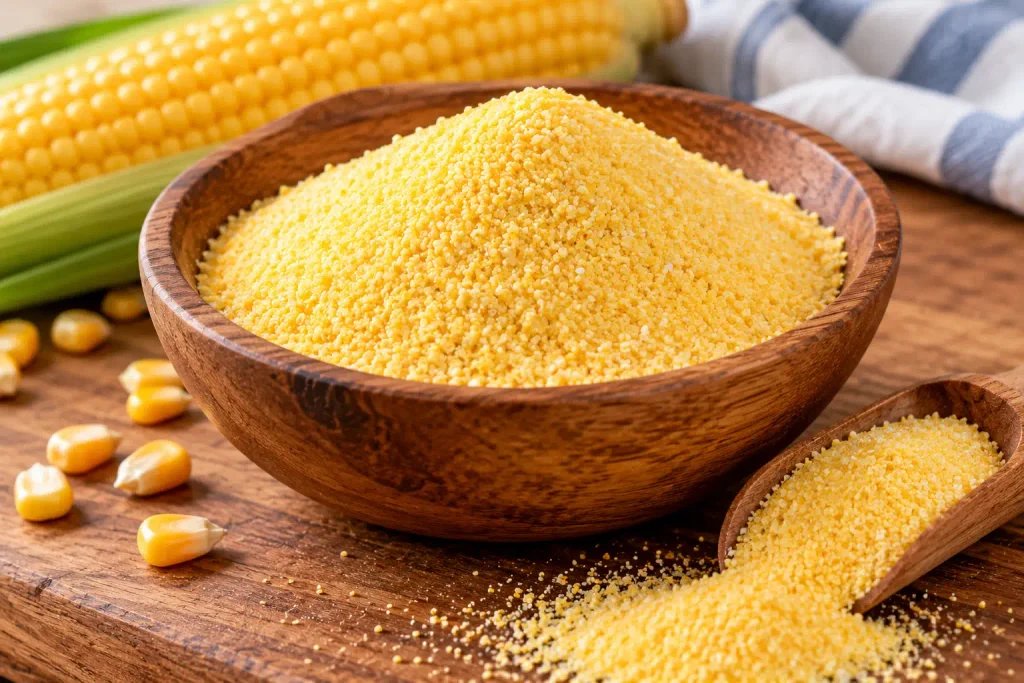
Cornmeal is what gives fried okra its crunch. The label matters, because three products look alike:
- Plain cornmeal: Ground corn only.
- Self-rising cornmeal: Cornmeal with leavening and salt already added.
- Cornmeal mix: Self-rising cornmeal with flour added.
The linked recipe uses self-rising cornmeal. Some cooks say it makes a lighter coating. Other cooks use plain cornmeal or cornmeal mix and say all of them work.
Swap: To use plain cornmeal in the linked recipe, add 2 teaspoons of baking powder and ½ teaspoon of salt for every 1½ cups.
Tip: Read the label. If your cornmeal is self-rising, it already contains salt, so taste before you add more.
Flour
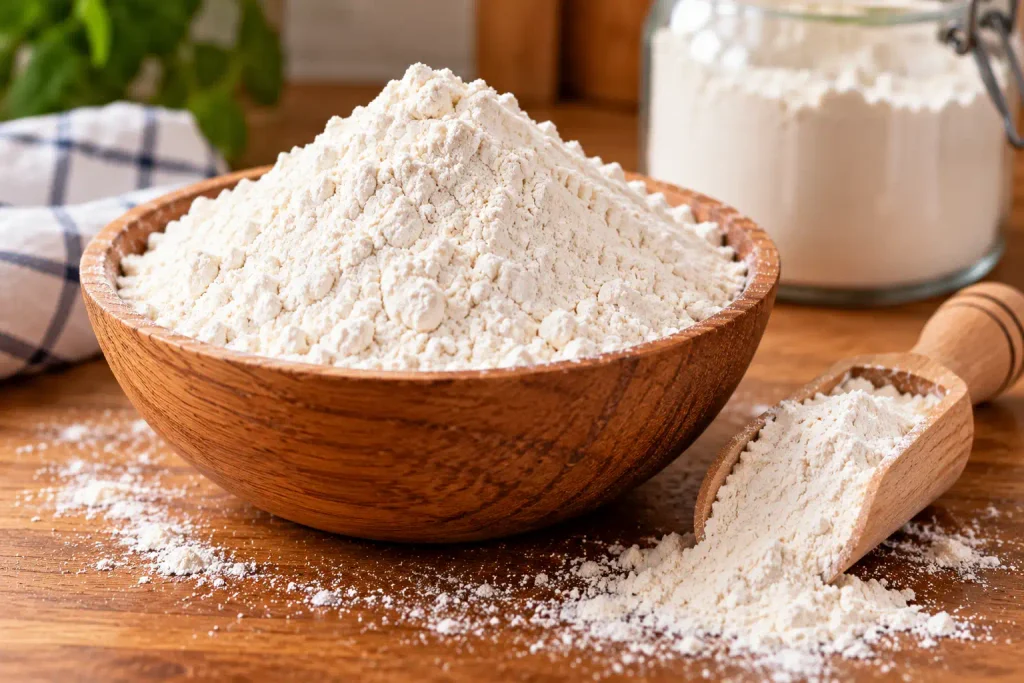
What it does: Flour makes the crust thinner and lighter. Cornmeal makes it crunchier and grittier.
Swap: You can leave out the flour and use all cornmeal. The recipe notes this gives a crunchier, more rustic coating. It also makes the dish easier to adapt if you avoid wheat.
Mistake to avoid: Don’t use too much coating. A thick crust can taste heavy instead of crisp.
Salt, Pepper, and Extra Seasonings
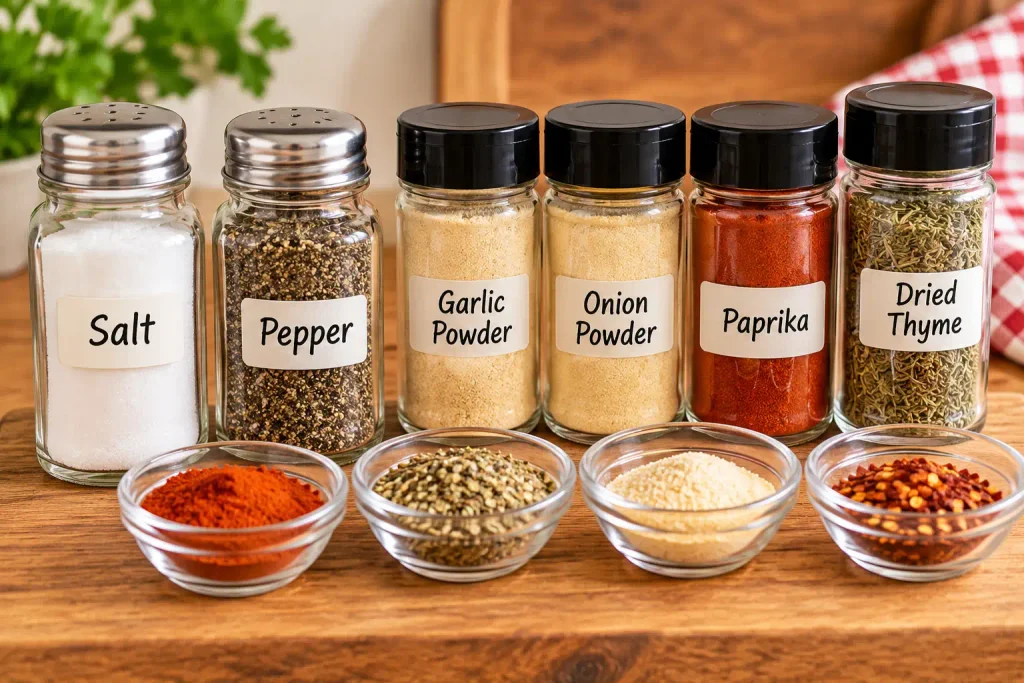
Salt and pepper are all the recipe needs. Some cooks add paprika, cayenne, or a Creole blend for more flavor.
Salt: Sources differ on salting before frying. One guide says to wait until after frying. The linked recipe seasons the okra first and adds a pinch at the end. Follow your recipe. If you add salt at the end, do it right after the okra comes out of the oil, while it is hot.
Frying Oil
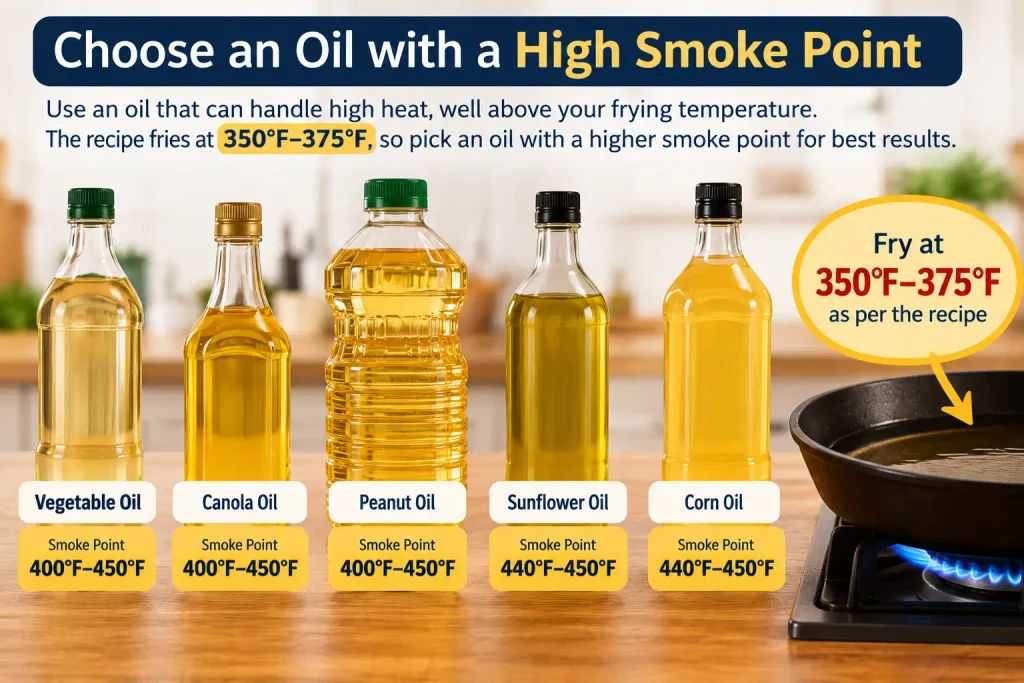
What to look for: Pick an oil with a high smoke point, well above your frying temperature. The linked recipe fries at 350°F–375°F.
Common choices:
- Vegetable oil: Neutral and what the linked recipe uses.
- Canola, corn, and peanut oil: Other common frying choices.
- Peanut oil: Mind peanut allergies if you’re cooking for guests.
What to avoid: Extra virgin olive oil isn’t a good pick for deep frying. Its smoke point is too low.
Tip: Use fresh, clean oil. Replace it if it smokes, darkens, or smells bad.
Fresh Okra or Frozen Okra?
Fresh okra is usually the first choice. Frozen okra is a convenient backup. The linked recipe says to use unbreaded frozen okra and fry it straight from frozen. Some cooks thaw it first and pat it dry, so follow whichever method your recipe uses.
Ingredient Mistakes to Avoid
- Using damaged okra. Pick out soft or moldy pods.
- Mixing up cornmeal types. Check whether your bag is plain, self-rising, or a mix.
- Adding too much liquid. It makes the coating soggy.
- Piling on coating. A thin, even layer is crisper.
- Using oil with a low smoke point. It can smoke and taste bad.
- Adding wet okra to hot oil. Pat it dry first. Water makes oil splatter.
Allergy and Diet Notes
The linked recipe contains gluten (flour and self-rising cornmeal) and dairy (buttermilk). Some cooks use 100% cornmeal to avoid wheat. If you need to avoid gluten, check labels for cross-contact.
Ready to Cook?
With your ingredients gathered, follow the full steps for coating and frying in our Southern Fried Okra Recipe.
Frequently Asked Questions
What is the best coating for fried okra?
Cornmeal is the classic choice for crunch. Many cooks mix it with flour for a lighter crust.
Can I use plain cornmeal?
Yes. Add baking powder and salt to match self-rising cornmeal.
Do I need buttermilk?
It helps the coating stick. Milk with a little vinegar is a common swap.
What oil is best for frying okra?
Choose a neutral oil with a high smoke point, such as vegetable, canola, or peanut oil.
Can I use frozen okra?
Yes. Follow your recipe’s directions for thawing and drying.